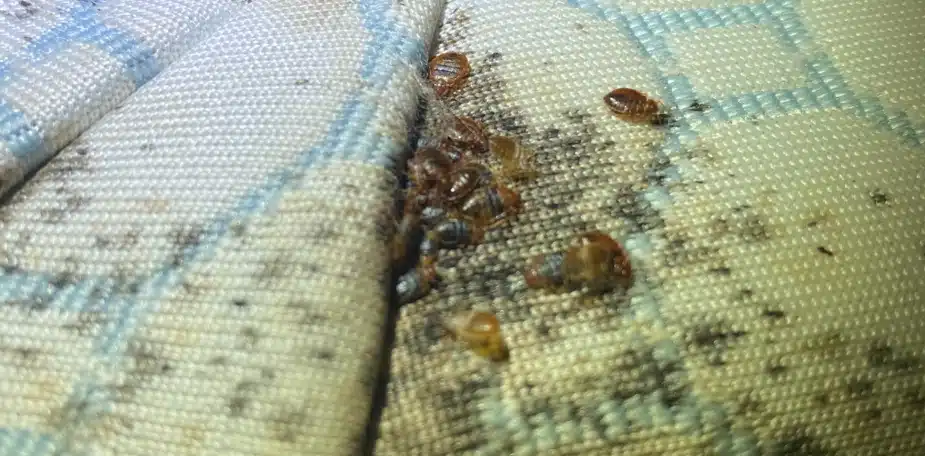
Bedbugs are one of the most stressful household pests to deal with, but the success of a professional bed bug treatment depends heavily on proper preparation. Preparing your home correctly helps ensure the treatment is effective, reduces the chance of re-infestation, and can shorten treatment time.
Below is a step-by-step guide on how to prepare your home for a bed bug treatment.
Why Preparation Is So Important
Bed bugs hide in cracks, crevices, furniture, bedding, and personal belongings. If areas are cluttered or items are not prepared correctly, bed bugs can survive the treatment and spread to other areas of the home. Proper preparation allows the technician to access all hiding spots and treat them thoroughly.
Before Your Bed Bug Treatment
1. Reduce Clutter
Remove unnecessary items from floors, under beds, and inside wardrobes. Clutter provides hiding places for bed bugs and can limit treatment effectiveness.
- Place items into sealable plastic bags
- Do not move untreated items into other rooms
- Avoid transferring belongings to vehicles or neighbours’ homes
2. Wash and Heat-Treat Fabrics
All bedding, clothing, curtains, and soft fabrics from affected rooms should be:
- Washed in hot water (minimum 60°C)
- Dried on high heat for at least 30 minutes
Once dry, place items into clean, sealed plastic bags and keep them sealed until after treatment.
Heat is one of the most effective ways to kill all life stages of bed bugs, including eggs.
3. Prepare Beds and Furniture
- Strip all beds completely (mattresses, sheets, pillowcases)
- Move beds slightly away from walls
- Empty bedside tables, drawers, and wardrobes
- Leave drawers open if instructed by your technician
Do not dispose of mattresses or furniture unless advised. Improper disposal can spread bed bugs.
Notify the Technician of all affected areas
Bed bugs can spread beyond bedrooms into lounges, vehicles, and offices. Be honest and thorough when describing where bites or activity have been noticed. This ensures all areas are treated properly.
During the Treatment
- All people and pets must leave the premises as instructed
- Follow re-entry times provided by your pest technician
- Do not disturb treated areas unless advised
After the Treatment
1. Do Not Clean Too Soon
Avoid vacuuming or washing treated areas for the recommended period (usually 7–14 days). This allows residual products to remain effective
2. Expect Follow-Up Treatments
Bed bug treatments often require multiple visits. Eggs may hatch after the initial treatment, and follow-up services are essential for complete control.
3. Monitor for Activity
Some activity after treatment is normal as bed bugs come into contact with treated surfaces. Report ongoing activity to your pest professional.
Tips to Prevent Re-Infestation
- Inspect luggage after travel
- Avoid bringing second-hand furniture indoors without inspection
- Use mattress and pillow encasements
- Act quickly if bites or signs reappear
Preparing properly for a bed bug treatment is one of the most important steps in eliminating an infestation. Following your pest professional’s instructions closely will give you the best chance of a fast and successful outcome.
If you suspect bed bugs or need advice on preparation, contact a licensed pest control professional as soon as possible.